
Worn Window Weather Stripping: How to Tell and What to Do
Metro Detroit Window · · 5 min read
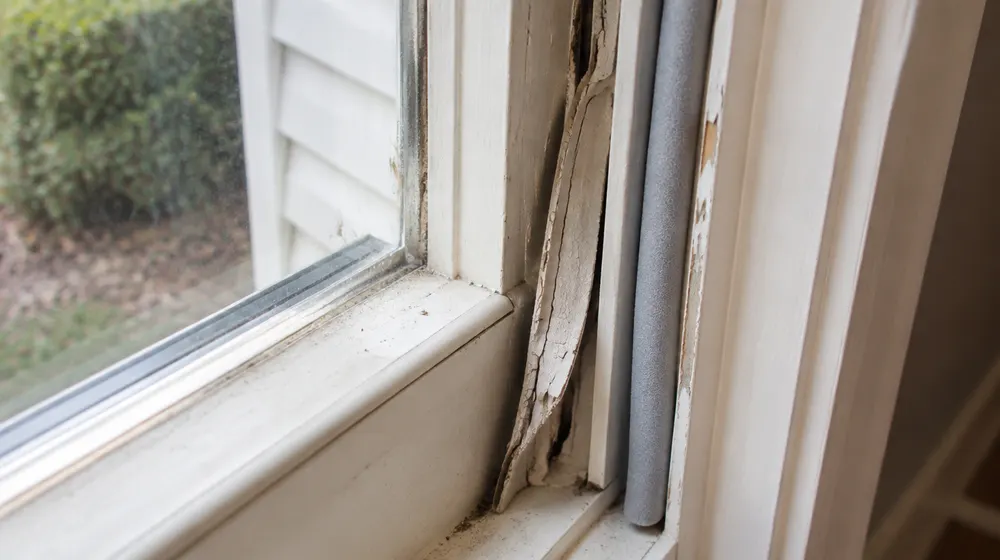
Window weather stripping replacement is one of the most useful repairs you can make before the coldest part of a Michigan winter. Weather stripping is the soft seal that closes the gap between the moving parts of a window and the frame. It is easy to forget about because it is small and mostly hidden, but when it wears out, cold air, water and noise all get a way in. The good news is that the window itself is often fine. Only the seal needs to change.
What weather stripping does
Every window that opens has gaps. A sash has to slide or swing, and it needs a little room to do that. Weather stripping fills that room when the window is closed. It runs along the sides of the sash, across the meeting rail where two sashes overlap, along the bottom, and around the edge of casement and awning windows.
A good seal presses lightly against the sash and springs back when the window opens. Over years of opening, closing, sun and cold, it flattens, cracks, shrinks or tears. Once that happens, it no longer touches the sash, and air moves straight through.
Signs your window weather stripping is worn
- You can feel a draft along the edges of a closed window on a windy day.
- Light shows around the sash when you look closely at night with a lamp on the other side.
- The seal looks flat, cracked, brittle or shiny instead of soft and full.
- Pieces of seal are loose, hanging, or missing in sections.
- Frost or ice forms in one corner or along one edge of the glass.
- The window rattles in the wind or lets in more street noise than it used to.
- Water shows up on the sill after a driving rain.
One easy test is to close the window on a strip of paper. If it slides out with no drag at all, the seal is not doing its job at that spot. Try it in a few places around the sash.
Common types of window seals
Different windows use different seals, and the right replacement depends on what you have.
- Pile weather stripping looks like a short, dense brush. It is common on sliding windows and sliding patio doors.
- Bulb or tubular seals are hollow rubber or vinyl strips that squeeze closed. They are common on casement and awning windows.
- Foam tape is a quick fix sold at hardware stores. It can help for a season but tends to break down fast.
- Spring metal (V strip) is found on many older wood windows and can be bent back or replaced.
- Kerf mounted seals snap into a groove in the frame or sash, so the old seal pulls out and a new one presses in.
Why it is worth replacing
Worn seals cost you comfort first. The room near the window feels colder, the furnace runs more, and you may start closing off rooms you used to use. New weather seals can make a window 20 to 25% more efficient, which is a real difference for a small repair. They also cut down on rattles and outside noise, and they keep water and dust out of the sill.
Replacing seals also protects the rest of the window. Cold air leaking past the sash brings moisture with it, and that moisture can end up as ice on the glass or water on the sill. Our post on ice on the inside of your windows explains how those problems connect.
Doing it yourself or calling a pro
Foam tape on a simple window is a reasonable weekend job. The trouble is that many seals are specific to the window maker and the style of sash, and the wrong profile will either not seal or make the window hard to close. Kerf seals have to match the groove. Seals on double hung windows often require taking the sash out of the frame, which can mean releasing the balances. If you are not comfortable with that, or the window is on an upper floor, have a pro do it.
A tech can also check the things that work with the seal. A lock that no longer pulls the sashes together, a sash that has warped, or a balance that lets the window drift open will undo the best new seal. If your locks are worn, the locks and keepers in our shop may be the missing piece.
What to expect from a weather stripping visit
We look at each window, match the existing seal profile, and replace what is worn. We check the locks, balances and caulk while we are there and point out anything else that is letting air in. Our weather stripping and sealing work is covered by our 5-year workmanship warranty. For a larger list of draft fixes, see our post on how to fix drafty windows.
We serve homeowners across Metro Detroit (Macomb, Oakland and Wayne Counties), including Warren, Troy and Clinton Township. If your windows feel drafty this season, request a free quote and we will take a look.
Common Questions
- How often should window weather stripping be replaced?
- There is no set schedule. It depends on the type of seal, how often the window is used and how much sun it gets. Replace it when it is flat, cracked, torn or no longer touches the sash when the window is closed.
- Can I replace window weather stripping myself?
- Simple foam or adhesive seals are a manageable DIY job. Seals that fit a groove, or seals on windows that need the sash removed, are easier to get right with a pro who can match the profile.
- Will new weather stripping make my windows warmer?
- If the drafts come from worn seals, yes. New weather seals can make a window 20 to 25% more efficient. If the glass seal has failed or the frame is damaged, those need their own repair.
- Do I need new windows if the weather stripping is bad?
- Usually not. Worn seals are one of the most common reasons a window feels drafty, and replacing them costs far less than a new window.
Have a window that needs work?
Free, in-person quote in 24 to 48 hours.
Serving The Metro Detroit Area